
Understanding Paint, Tobiano, and Other Multi-Colored Horses
- elegantjourneys
- Mar 15
- 3 min read
Horses have carried people across deserts, ranch lands, and open trails for centuries. Along the way, their beautiful coat patterns have captured the attention of riders, artists, and

horse lovers alike. Some of the most striking horses are those with bold, multi-colored coats.
But many people use the words Paint, pinto, and Tobiano interchangeably when they actually mean different things. Understanding these patterns helps reveal the history and genetics behind some of the most beautiful horses in the world.
Paint Horse vs Pinto Horse
A Paint Horse is actually a registered breed, not just a color pattern.The American Paint Horse combines the distinctive white-and-color coat patterns of pinto horses with the strong body type and athletic ability of Quarter Horses and Thoroughbreds.
To be registered as an American Paint Horse, the horse must have:
Verified bloodlines
Specific conformation standards
Recognized coat pattern genetics
In other words, all Paint Horses have pinto coloring, but not all pinto horses are Paint Horses.
The term pinto simply refers to any horse with large patches of white and another color, regardless of breed.
Tobiano Pattern
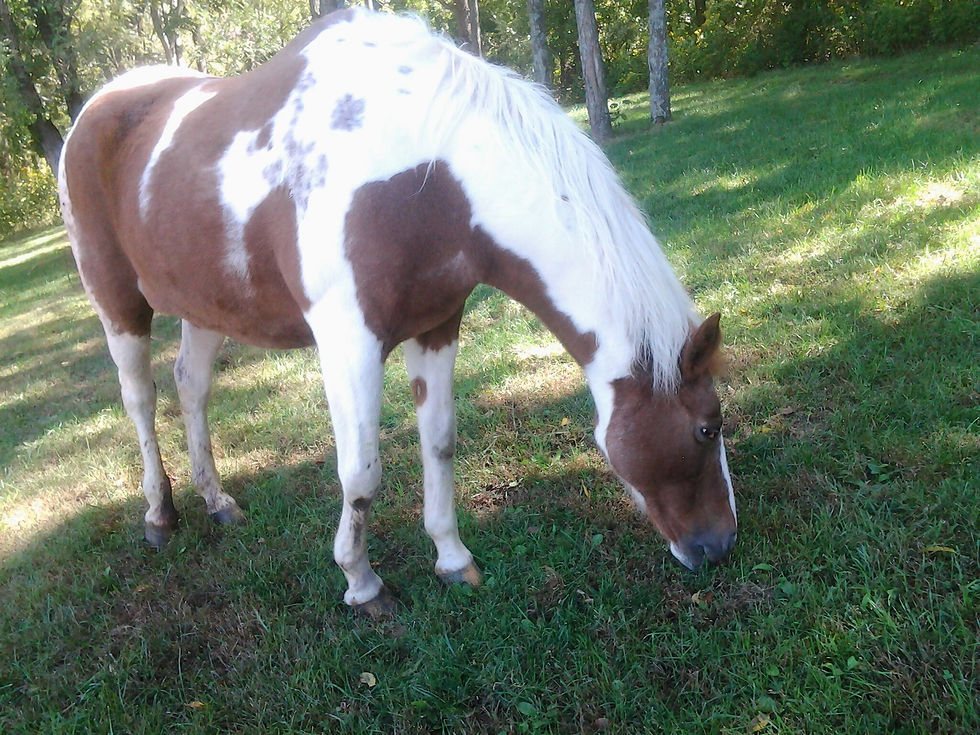
The Tobiano pattern is one of the most recognizable multi-colored horse patterns.
Typical Tobiano traits include:
Large rounded white patches
White crossing over the horse’s back
Dark head with normal facial markings
White legs often appearing like stockings
Tobiano patterns often look smooth and flowing, with the white areas appearing almost painted across the horse’s body.
This pattern is very common in American Paint Horses, but it can appear in other breeds as well.
Overo Pattern
The Overo pattern looks very different from Tobiano.
Characteristics include:
Irregular or jagged white patches
White rarely crossing the horse’s back
Dark legs
Often dramatic facial markings
Overo horses often appear darker overall, with white markings that seem to spread outward from the belly or neck area.
Some Overo horses can also have blue eyes, which makes them especially striking.
Tovero Pattern
A Tovero horse is essentially a combination of Tobiano and Overo genetics.
These horses often show:
Tobiano body patterns
Overo facial markings
Blue eyes
Unique white shields or spots
Because of the mixed genetics, Tovero horses can have some of the most dramatic and artistic patterns seen in horses.
Other Multi-Colored Horse Patterns
Beyond Tobiano and Overo, several other multi-colored patterns appear across horse breeds.
Some of the most well-known include:
Pinto – A general term for horses with large white patches.
Piebald – Black and white coat combination.
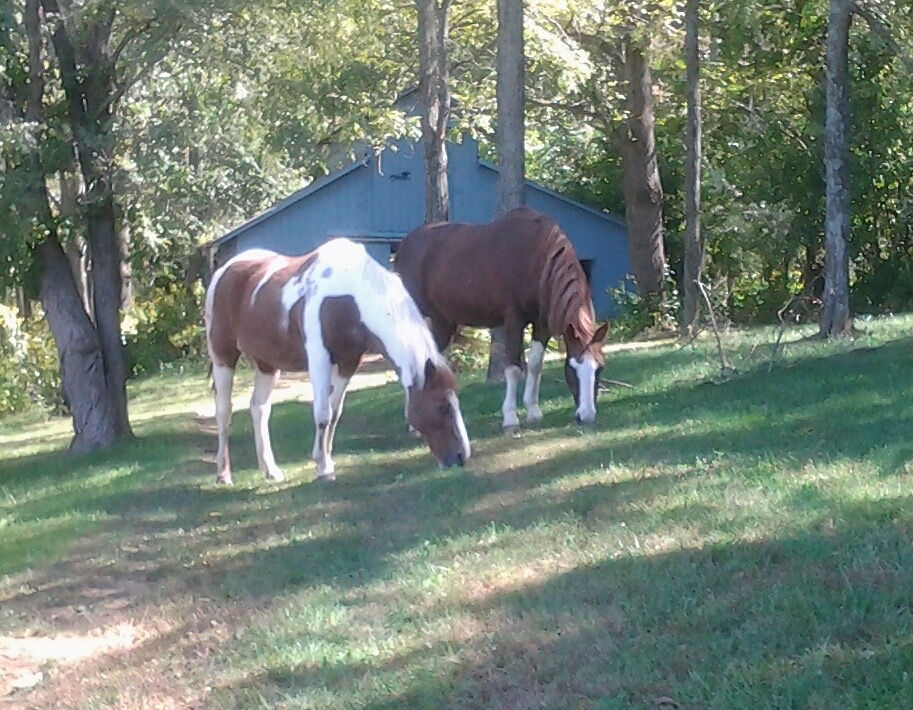
Skewbald – White mixed with brown, chestnut, or bay.
Roan – A mixture of white hairs evenly blended with another color across the coat.
Each pattern is created through unique genetic traits, making every horse visually distinctive.
Why These Horses Inspire Art and Jewelry
For many horse lovers, these patterns are more than just genetics. They represent the wild beauty and spirit of the West.

At Abood Elegant Journeys, the Western Heritage Collection is inspired by that connection — the powerful bond between rider and horse, the history of ranch lands, and the unforgettable markings of horses that seem painted by nature itself. Whether seen on the open trail or captured in handmade resin jewelry, these patterns remind us why horses have fascinated people for generations.

Comments